Understand practical exterior washing, safe interior refreshes, progressive detailing processes and structural seasonal protections. Pixlmediaptch delivers transparent physical maintenance concepts without overpromising results.
Select the option below that best reflects the active maintenance objectives you are considering for your vehicle.
Regular washing is designed to remove atmospheric pollutants, light traffic film, and superficial dust before they build up and damage clearcoat surfaces.
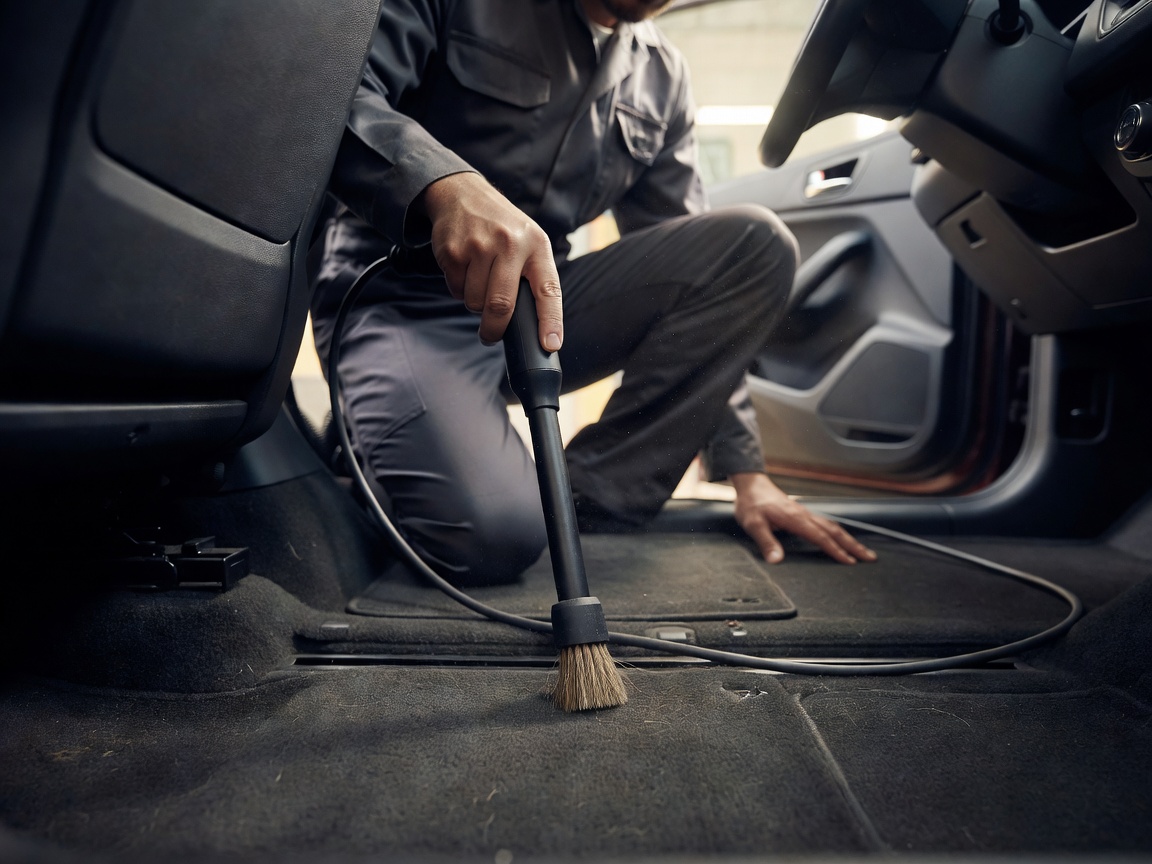
Deep physical cleaning of all interior surfaces, moving beyond simple vacuuming to sanitize primary touchpoints and treat delicate materials carefully.
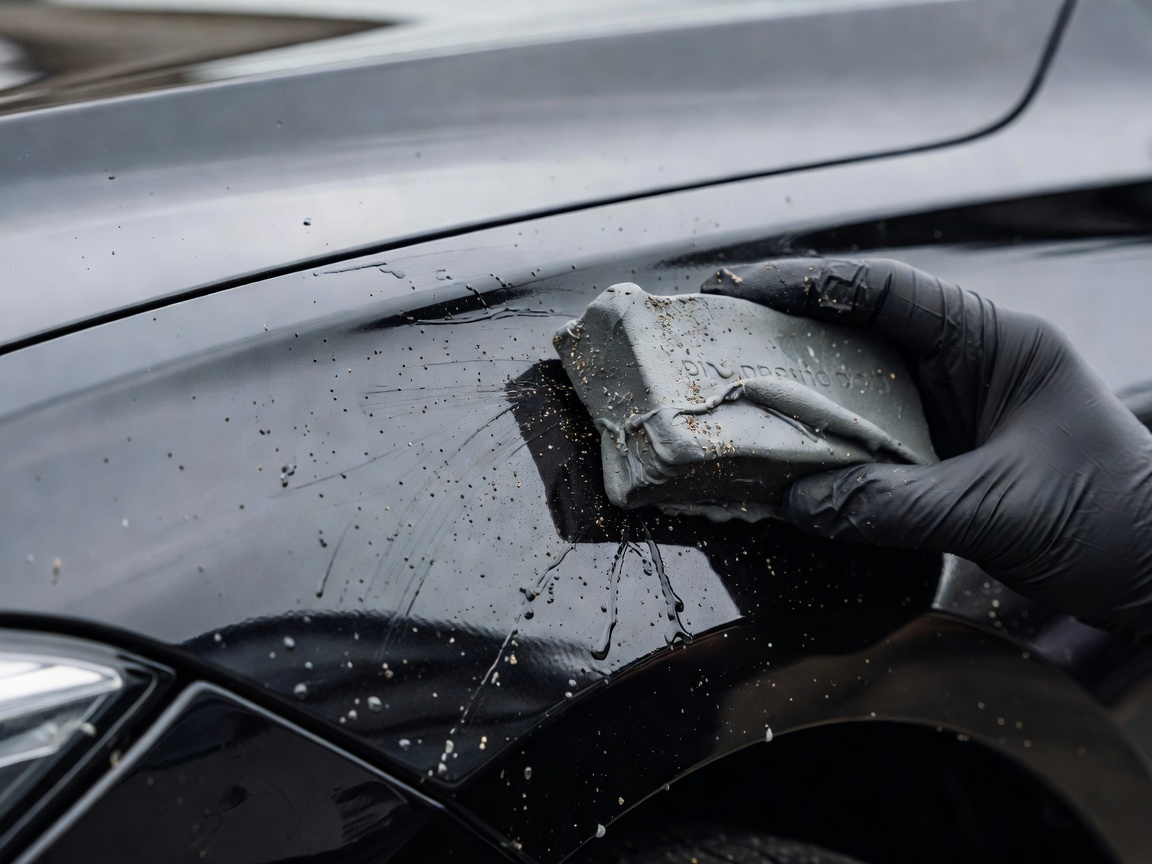
For vehicles experiencing persistent tree sap, iron fallout, or micro-swirls. A multi-stage methodology to safely prepare paint before any protective layers are applied.
Designed strictly around regional patterns, our seasonal guidelines show you how to guard bodywork against corrosive road salts, heavy rainfall, and organic residues.
Our approach is built on structured methodology, high-grade chemicals, and careful work practices tailored to physical vehicle diagnostics.
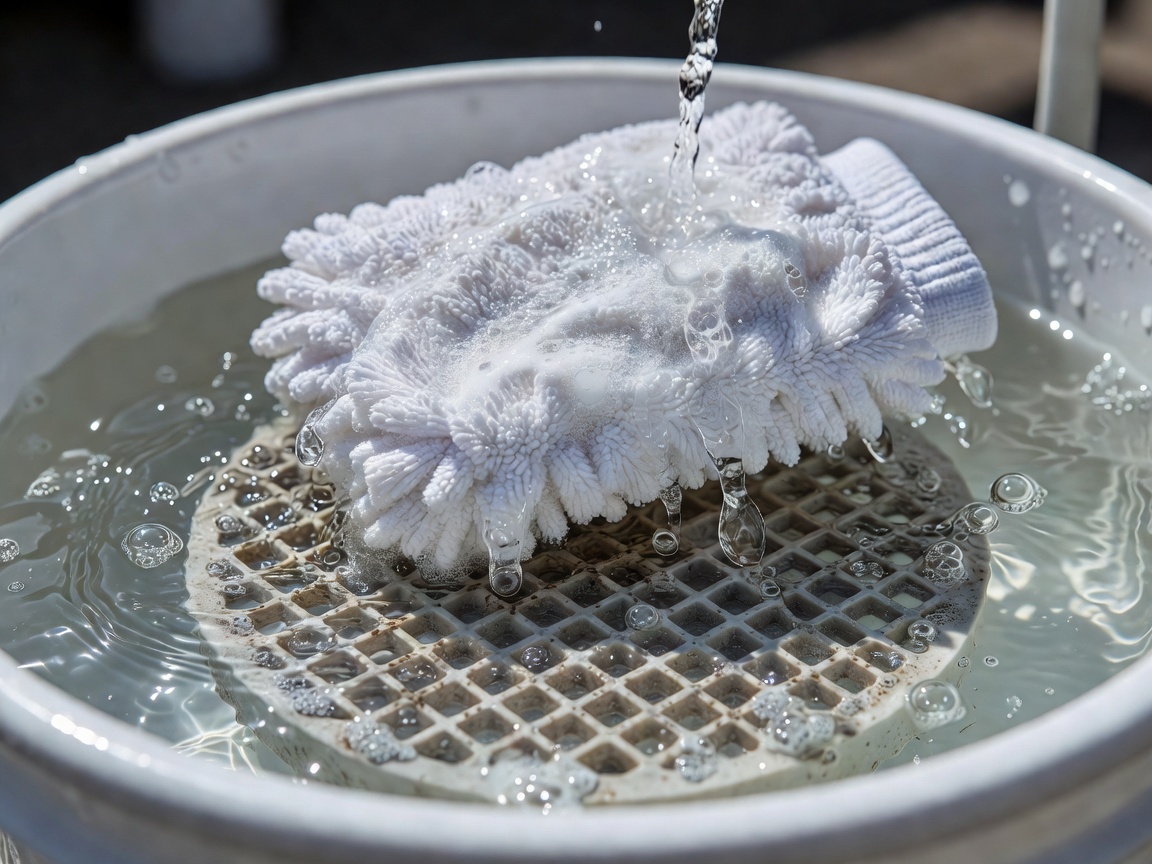
Designed to minimize wash marring and fine scratches. We utilize physical decontamination, snow foams, and meticulous two-bucket processes.
Read process details →Treating delicate leathers, high-grade fabrics, and hard-to-reach physical touchpoints. Clean without aggressive residues.
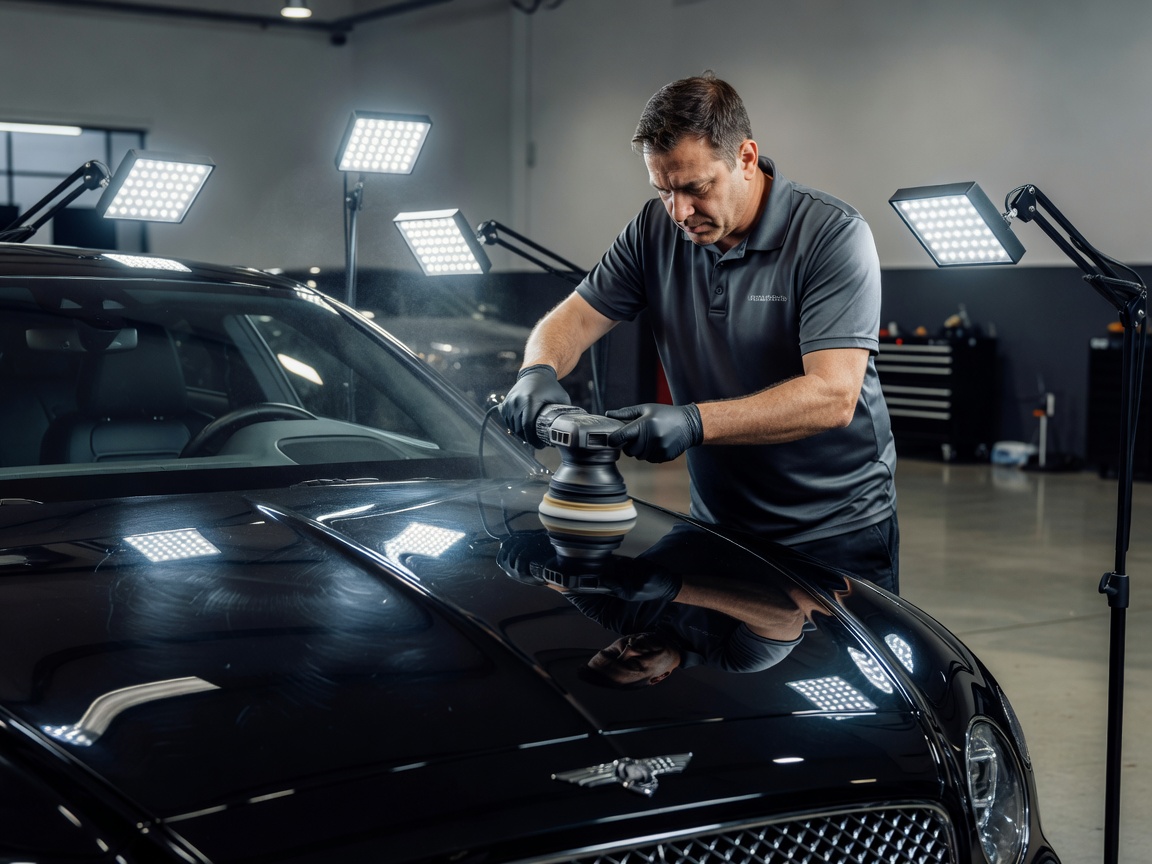
Read cabin guidelines →Addressing structural paint issues, swirled clearcoats, oxidization, and surface scuffs using precise rotary and dual-action polishers.
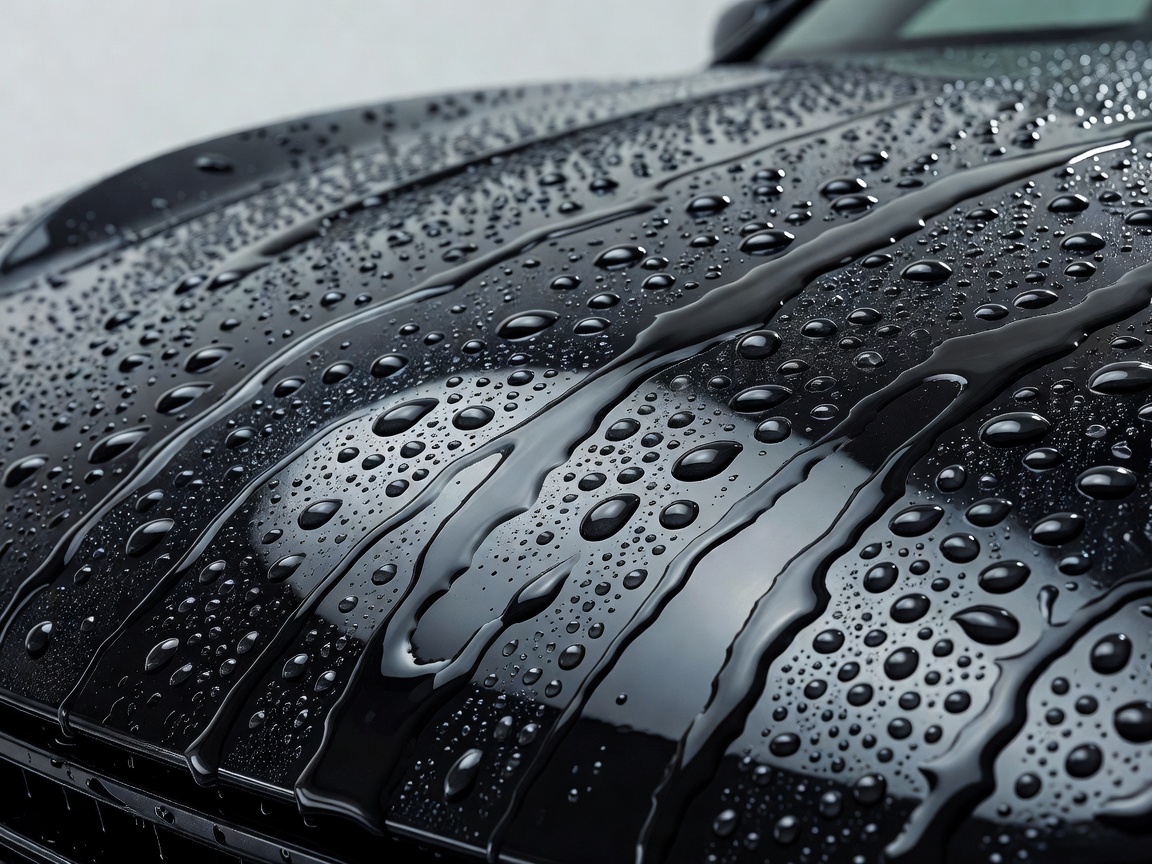
View polishing stages →High-end chemical bonding products designed to help prevent contaminants from biting deeply into the factory clearcoat.
Understand durability →Specialized preparations configured strictly for the UK climate, focusing heavily on winter salt resistance and autumn leaf sap.
Explore seasonal plans →Tailored schedules, care logs, and repeatable appearance standards for business vehicles, local estates, and vans.
Review corporate care →How physical weather changes across seasons determine your vehicle’s exterior deterioration patterns.
Aggressive sodium chloride used on British motorways speeds up metallic corrosion if left unchecked in arches, undercarriages, and door sills.
Sticky biological compounds rest on wet morning panels, creating microscopic surface bonds that can etch clearcoats when heated by sun.
Strong UV exposure weakens paint integrity over years, while high-velocity bug impacts contain acids that etch untreated panels within days.
Decaying leaves clog exterior scuttle panels, causing water to pool and leak inside front footwells, increasing cabin mildew and bad odors.
Many detailing entities promise miraculous, permanent showroom outcomes. At Pixlmediaptch, we explain the physical realities: clearcoats have a limited thickness, and polishing involves removing a micro-layer of that clearcoat to level scratches.
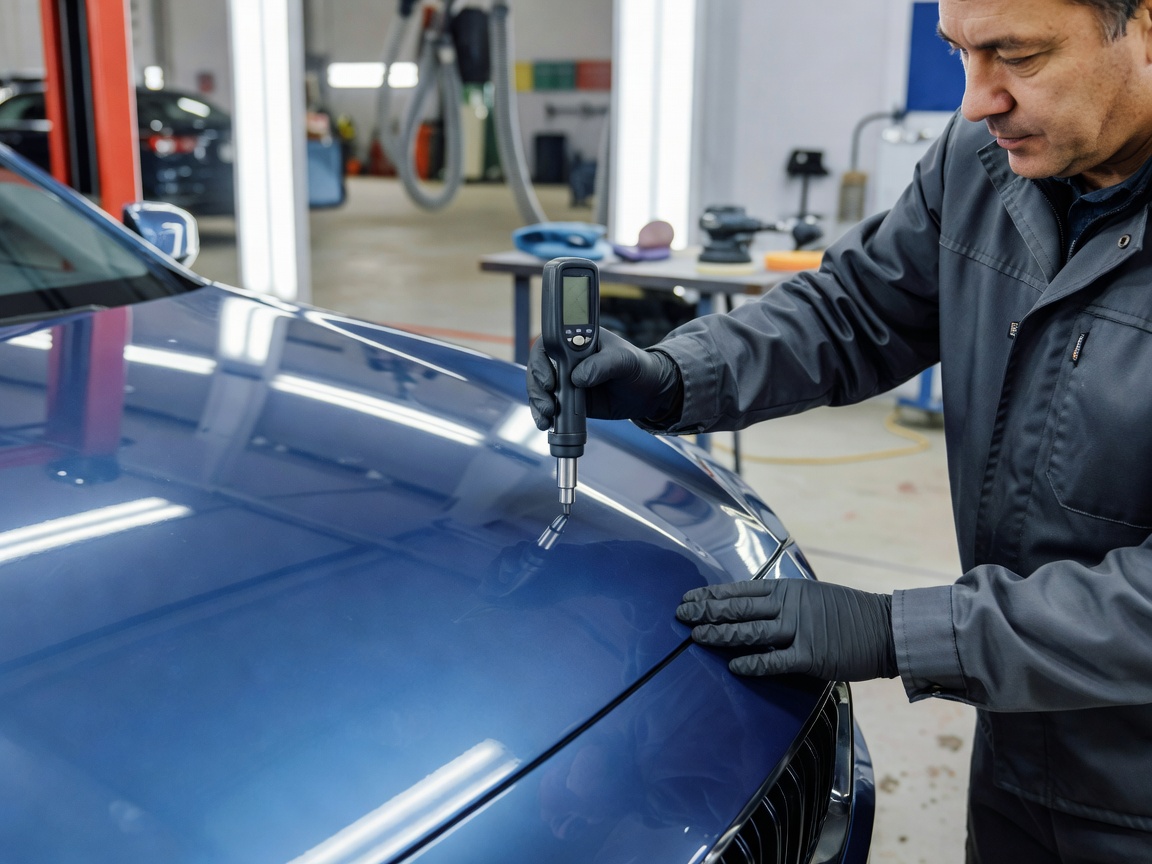
By measuring paint depth with ultrasonic meters before touching a rotary pad to your vehicle, we identify what correction level is structurally safe for your paint, preventing permanent damage or clearcoat failure.
Learn Our Detailing Strategy
We believe in transparent, evidence-based answers. Here are quick answers to some primary vehicle concerns.
Applying a sponge or wash mitt directly to a vehicle that is covered in motorway road film, dust, or sand particles acts like sandpaper, dragging the abrasives across the clearcoat and causing micro-swirls. A pre-wash chemically softens and safely floats away up to 80% of loose debris before physical contact begins.
Durability depends heavily on preparation quality, local environment exposure, annual mileage, physical wash technique, and winter garage storage. While some claim "permanent" protection, realistic coatings provide reliable water-sheeting and surface ease of cleaning for 1 to 3 years before requiring a topical top-up layer.
No. Polishing works by leveling down the surrounding clearcoat to match the depth of scratches. If a scratch is deep enough to catch your fingernail, it has likely penetrated into the base color coat or primer. Attempting to buff this out entirely will result in clearcoat failure. In these cases, we advise cosmetic panel respraying over aggressive polishing.